House Cleaning Tips & Services in Milford, NH

Stay informed with expert cleaning tips, home care advice, and insights from Tidy Cleaning Services in Milford, NH. Explore practical guides, service information, and helpful resources designed to keep your home cleaner, healthier, and easier to maintain year-round.

How to Clean Your House Like a Professional From Start to Finish

How to Clean Your House Like a Professional From Start to Finish

Cleaning your home doesn’t have to feel overwhelming or take up your entire weekend. Professional cleaners don’t rely on expensive products or complicated techniques. Instead, they follow an organized process that helps them clean thoroughly and efficiently. Learning how to clean your house like a professional can help you save time, avoid common mistakes, and keep your home looking its best between deep cleanings.

In this guide, you’ll learn how to create a cleaning plan, gather the right supplies, clean each room efficiently, and adopt the habits professionals use to maintain consistently clean homes.

Start With a Cleaning Plan

One of the biggest differences between homeowners and professional cleaners is that professional cleaners have a plan before getting started. Rather than cleaning whatever catches their eye, professionals work through the home in a consistent order to avoid missing areas or cleaning the same surface twice.

Before you begin:

  • Declutter each room by putting away loose items.
  • Empty trash cans.
  • Make a list of the rooms you plan to clean.
  • Decide whether you’ll clean the entire house in one day or spread tasks throughout the week.
  • Gather all your supplies before you begin.

Having a simple strategy keeps you focused and makes cleaning your house more efficient.

If you’re trying to stay on top of routine chores, following a weekly cleaning schedule can help prevent dirt and clutter from becoming overwhelming.

Gather the Right Cleaning Supplies Before You Start

Professional cleaners don’t necessarily use dozens of specialized products. Instead, they rely on a handful of versatile tools that can tackle most surfaces throughout the home.

Keeping these supplies together in a portable cleaning caddy also saves time since you won’t need to search for products from room to room.

Some essentials include:

  • Microfiber cloths
  • All-purpose cleaner
  • Glass cleaner
  • Bathroom cleaner
  • Disinfectant spray
  • Vacuum with attachments
  • Mop and bucket
  • Scrub brushes
  • Sponges
  • Rubber gloves
  • Trash bags

Microfiber cloths are especially useful because they trap dust rather than simply move it around. A vacuum with attachments also helps clean baseboards, vents, furniture, and other often-overlooked areas.

Using quality supplies won’t replace good cleaning habits, but it can make the job faster and produce better results.

The Most Efficient Way to Clean Your Home

If you’ve ever wondered why professional cleaners finish an entire house so quickly, it’s because they follow a consistent workflow.

The first rule is to clean from top to bottom. Dust ceiling fans, shelves, and countertops before vacuuming or mopping the floors. This prevents dust from falling onto surfaces you’ve already cleaned.

The second rule is to clean from dry to wet. Dusting and vacuuming first removes loose debris before you start wiping surfaces with cleaners.

Finally, complete one room before moving on to the next. Jumping between rooms often wastes time and makes it easier to overlook tasks.

Following the same process every time also helps build a routine. Before long, you’ll spend less time deciding what to clean next and more time making steady progress.

Professional House Cleaning Tips That Save Time

Learning how to clean your house like a professional isn’t just about using the right products. Professional cleaners rely on simple habits that help them work faster, stay organized, and achieve consistent results. These professional house-cleaning tips can help you clean more efficiently while improving overall results.

  • Let Cleaning Products Do the Work – One of the biggest mistakes homeowners make is spraying a surface and immediately wiping it away. Most disinfectants and bathroom cleaners need several minutes to break down grease, soap scum, and bacteria. Always follow the product’s instructions for the recommended dwell time before scrubbing or wiping.
  • Use Microfiber Cloths Instead of Paper Towels – Microfiber cloths trap dust, dirt, and bacteria more effectively than paper towels. They’re reusable, less likely to leave streaks behind, and work well on everything from countertops to mirrors.
  • Carry Your Supplies From Room to Room – Professional cleaners don’t stop to search for products every few minutes. Keeping your supplies in a portable cleaning caddy saves time and helps you move efficiently from one room to the next.
  • Finish One Room Before Starting Another – It’s easy to get distracted while cleaning, but jumping between rooms often leaves tasks unfinished. Completing one room at a time keeps you organized and provides a sense of progress.
  • Vacuum Before Mopping – Always remove dust, crumbs, and debris before mopping. Vacuuming first prevents dirt from turning into muddy streaks on hard floors and helps keep them cleaner.
  • Use Different Cloths for Different Areas – Avoid using the same cloth in the kitchen and bathroom. Color-coding your microfiber cloths can help reduce cross-contamination and improve overall hygiene.

How to Clean Every Room Like a Professional

Each room in your home has different cleaning needs. Professionals adjust their approach based on the surfaces, level of use, and areas where dirt tends to accumulate.

Kitchen

The kitchen is one of the busiest rooms in any home, so it usually requires the most attention.

Start by clearing countertops and putting away dishes. Wipe down cabinets, countertops, and backsplashes before cleaning appliances such as the microwave, stovetop, and refrigerator. Finish by disinfecting the sink and mopping the floor.

Pay special attention to cabinet handles, appliance buttons, and faucet handles since they’re touched frequently throughout the day.

Bathrooms

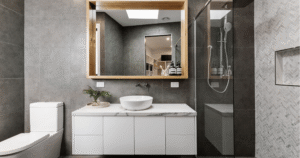
Bathrooms should be cleaned using products designed to remove soap scum, hard water stains, and bacteria.

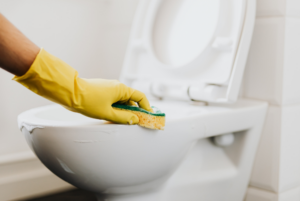
Allow cleaning products to sit on toilets, tubs, and showers for a few minutes before scrubbing. This gives them time to break down buildup and reduces the amount of scrubbing required.

Finish by cleaning mirrors, disinfecting countertops and sinks, wiping fixtures, and mopping the floor.

Using separate cloths for bathrooms and kitchens also helps prevent cross-contamination.

Bedrooms

Bedrooms usually stay cleaner than other areas of the home, but they still collect dust quickly.

Begin by making the bed and putting away clutter. Dust furniture, shelves, lamps, and windowsills before vacuuming carpets or mopping hard floors.

Don’t forget to clean underneath the bed occasionally, as it can collect dust, pet hair, and allergens over time.

Changing bedding weekly also helps create a cleaner, more comfortable sleeping environment.

Living Areas

Living rooms often see the most daily traffic, making them magnets for dust, crumbs, and pet hair.

Start by straightening blankets and pillows before dusting furniture, electronics, shelves, and decorative items. Vacuum rugs, upholstery, and beneath furniture whenever possible.

Finally, clean glass tables, wipe high-touch surfaces like light switches and remote controls, and mop hard floors to leave the room looking fresh.

How Professionals Keep Homes Clean Longer

Professional cleaners know that maintaining a clean home is easier than constantly trying to catch up. Small daily habits can dramatically reduce the amount of time spent cleaning each week.

Some of the most effective professional house cleaning tips include:

  • Clean spills as soon as they happen.
  • Put items back where they belong after using them.
  • Wipe kitchen counters every evening.
  • Keep bathroom sinks dry to reduce water spots.
  • Vacuum high-traffic areas regularly.
  • Avoid letting clutter accumulate on countertops and tables.

Following a consistent weekly cleaning schedule also helps prevent dirt from building up and reduces the need for marathon cleaning sessions.

Even with a good routine, most homes benefit from an occasional deep cleaning to tackle areas that aren’t part of regular maintenance, such as baseboards, window tracks, and behind furniture.

When Professional House Cleaning Is the Smarter Choice

Learning how to clean your house is valuable, but there are times when hiring professionals simply makes more sense.

You may benefit from professional cleaning if:

  • Your schedule leaves little time for housework.
  • You’re preparing for guests or a special event.
  • You’re moving into or out of a home.
  • You want a thorough deep cleaning.
  • You have pets or young children that make cleaning more frequent.
  • You’d rather spend your weekends doing something else.

Professional cleaners bring experience, efficient processes, and specialized equipment that can often produce better results in less time.

For many homeowners, combining simple daily maintenance with recurring professional cleaning is the easiest way to keep a home consistently clean. Understanding when professional cleaning is worth the investment can also help you decide whether recurring service fits your lifestyle and budget.

Keep Your Home Looking Its Best With Tidy Cleaning Services

Learning how to clean your house like a professional can help you maintain a cleaner, healthier home, but keeping up with every chore isn’t always realistic. Between work, family responsibilities, and busy schedules, it’s easy for cleaning tasks to pile up.

At Tidy Cleaning Services, we help homeowners enjoy clean, comfortable homes without the stress of doing it all themselves. Whether you need recurring residential cleaning, a one-time deep cleaning, move-in or move-out cleaning, or help preparing your home for a special occasion, our experienced team is here to help.

By combining smart daily habits with professional cleaning services, you can spend less time worrying about chores and more time enjoying your home. Contact Tidy Cleaning Services today to learn more about our residential cleaning services and find a schedule that works for you.

Move-In Cleaning Checklist: What to Clean Before Unpacking

Move-In Cleaning Checklist: What to Clean Before Unpacking

Moving into a new home is exciting, but before you start unpacking boxes and arranging furniture, it’s worth taking the time to thoroughly clean the space. Even if the previous owners or tenants cleaned before leaving, dust, grime, and hidden dirt can still be left behind. Following a move-in cleaning checklist helps you start fresh and makes it easier to settle into a healthier, more comfortable home.

This guide covers everything you need to know about cleaning a home before moving in, from gathering the right supplies to efficiently tackling each room. Whether you’re planning to do the work yourself or considering professional help, you’ll know exactly how to clean a house before moving in.

Why Cleaning Before You Move In Matters

Cleaning an empty house is much easier than cleaning around furniture and packed boxes. Once everything is unpacked, reaching baseboards, closets, cabinets, and corners becomes more difficult.

Taking the time to deep-clean before moving in also gives you peace of mind. You can disinfect high-touch surfaces, remove dust from overlooked areas, and eliminate odors left behind by previous occupants.

A thorough move-in clean also gives you the opportunity to inspect the home more closely. While cleaning, you may notice maintenance issues like leaking faucets, damaged caulk, loose cabinet hardware, or signs of pests before they become larger problems.

Another advantage of cleaning before moving day is having full access to every surface. Empty rooms allow you to clean behind appliances, inside closets, along baseboards, and under sinks without having to move heavy furniture later. It’s also the ideal time to wipe shelves and cabinets before placing your belongings inside.

Before You Start Cleaning

Before you begin your move-in cleaning checklist, take a few minutes to prepare the home.

  • Turn on utilities if possible.
  • Open windows for ventilation.
  • Complete any repairs or painting first.
  • Remove any leftover belongings or debris.
  • Start on the highest level of the home and work your way down if you have multiple floors.
  • Plan enough time for floors and surfaces to dry before moving furniture inside.

Spending a little time preparing can make the cleaning process smoother and help you avoid having to redo areas later.

Gather Your Cleaning Supplies First

Before you begin, gather all your cleaning supplies so you won’t have to stop halfway through the job. Having everything within reach makes the process more efficient and helps you clean each room thoroughly.

While you don’t need professional-grade equipment, using the right supplies can make the job faster and more effective. Microfiber cloths trap dust better than paper towels, disinfectants help eliminate bacteria left behind by previous occupants, and a vacuum with attachments makes it easier to clean corners, vents, and baseboards.

Basic Cleaning Supplies

These everyday products are enough for most move-in cleaning tasks:

  • All-purpose cleaner
  • Glass cleaner
  • Disinfectant spray or wipes
  • Bathroom cleaner
  • Floor cleaner
  • Microfiber cloths
  • Sponges
  • Scrub brushes
  • Paper towels
  • Trash bags

Safety Supplies

Protect yourself while cleaning, especially if the home has been vacant for a while or requires more than routine cleaning.

Consider having:

  • Rubber gloves
  • Face mask for dusty areas
  • Safety glasses if using stronger cleaning products, such as oven cleaners, bleach-based disinfectants, or heavy-duty degreasers
  • Step stool for safely reaching high shelves and cabinets

Wearing the right protective gear helps prevent skin irritation, accidental splashes, and unnecessary exposure to dust or strong cleaning fumes while you work.

Optional Tools That Save Time

A few extra tools can make your move-in cleaning list much easier to complete.

Helpful tools include:

  • Vacuum with attachments
  • Steam mop
  • Extendable duster
  • Magic erasers
  • Grout brush
  • Handheld vacuum for cabinets and drawers

Preparing everything before you start helps you move through the house without unnecessary interruptions.

Room-by-Room Move-In Cleaning Checklist

Cleaning one room at a time helps ensure nothing gets overlooked. Instead of moving randomly from space to space, complete each room before moving on to the next. This approach makes the entire project feel more manageable and helps you track your progress.

Kitchen

The kitchen should be one of the first rooms you clean since it’s where food is stored and prepared. Even if it appears clean, grease, crumbs, and bacteria may still be hiding inside cabinets, appliances, and drawers.

Your cleaning list for a new home should include:

  • Wipe inside and outside of cabinets and drawers.
  • Clean countertops and backsplash.
  • Disinfect sinks and faucets.
  • Clean inside the refrigerator and freezer.
  • Wipe the oven and stovetop.
  • Sanitize the microwave.
  • Clean pantry shelves.
  • Vacuum and mop floors.

If your refrigerator has removable shelves or drawers, wash them separately before putting food away.

Bathrooms

Bathrooms require extra attention because they’re high-moisture areas where bacteria, mildew, and soap scum can build up quickly.

Be sure to:

  • Scrub toilets.
  • Clean showers and tubs.
  • Remove soap scum.
  • Disinfect sinks and countertops.
  • Clean mirrors.
  • Wipe cabinets and drawers.
  • Sanitize faucets and handles.
  • Mop floors.

Don’t forget to replace the toilet seat if you prefer starting with a brand-new one.

Bedrooms

Bedrooms may seem clean at first glance, but they often accumulate dust when left empty between occupants.

Focus on:

  • Dusting ceiling fans.
  • Cleaning windowsills.
  • Wiping closet shelves.
  • Vacuuming carpets or mopping floors.
  • Cleaning baseboards.
  • Wiping doors and light switches.

If the home has built-in closets, vacuum every shelf and corner before placing clothing inside.

Living Areas

Living rooms, dining rooms, and hallways often accumulate dust that settles during moves or while the home is vacant.

Complete these tasks:

  • Dust all surfaces.
  • Clean windows and windowsills.
  • Wipe light switches and outlets.
  • Vacuum carpets.
  • Mop hard floors.
  • Dust ceiling fans and vents.
  • Clean baseboards and trim.

Cleaning these shared spaces first helps your home feel fresh from the moment you begin moving furniture inside.

The Most Commonly Overlooked Areas During a Move-In Clean

Even the most thorough move-in cleaning checklist can miss hidden areas where dust, grease, and allergens accumulate over time. Spending a few extra minutes on these spots can make a noticeable difference in your home’s overall cleanliness.

Don’t forget to clean:

  • Inside cabinets and drawers
  • Closet shelves
  • Behind appliances
  • Window tracks
  • Air vents
  • Ceiling fans
  • Door frames
  • Baseboards
  • Light fixtures
  • Switch plates
  • Garbage cans
  • Under sinks

These spaces may not be immediately visible, but they’re often some of the dirtiest areas in a home. If you’re planning a deep clean before moving in, they should be part of your routine.

Your Printable Move-In Cleaning Checklist

Now that you know what to clean and which areas deserve extra attention, use this move-in cleaning checklist as a quick reference before you unpack. Save it to your phone, print it out, or check off each task as you complete it.

General Preparation

  • ☐ Gather all cleaning supplies
  • ☐ Open windows for ventilation
  • ☐ Turn on utilities
  • ☐ Complete any painting or repairs
  • ☐ Remove leftover belongings and debris

Kitchen

  • ☐ Clean inside cabinets and drawers
  • ☐ Wipe countertops and backsplash
  • ☐ Disinfect the sink and faucet
  • ☐ Clean the refrigerator and freezer
  • ☐ Wipe the oven and stovetop
  • ☐ Sanitize the microwave
  • ☐ Vacuum and mop the floor

Bathrooms

  • ☐ Scrub toilets
  • ☐ Clean showers and tubs
  • ☐ Disinfect sinks and countertops
  • ☐ Clean mirrors
  • ☐ Wipe cabinets and drawers
  • ☐ Mop the floor

Bedrooms

  • ☐ Dust ceiling fans
  • ☐ Clean windowsills
  • ☐ Wipe closet shelves
  • ☐ Clean baseboards
  • ☐ Vacuum carpets or mop hard floors
  • ☐ Wipe doors and light switches

Living Areas

  • ☐ Dust furniture and shelves
  • ☐ Clean windows and windowsills
  • ☐ Wipe light switches
  • ☐ Vacuum carpets and rugs
  • ☐ Mop hard floors
  • ☐ Dust vents and ceiling fans

Final Touches

  • ☐ Replace HVAC filters if needed
  • ☐ Test smoke and carbon monoxide detectors
  • ☐ Empty all trash
  • ☐ Let floors dry completely before moving furniture inside
  • ☐ Double-check closets, cabinets, and drawers before unpacking

Should You Clean Yourself or Hire a Professional?

Many homeowners choose to handle move-in cleaning themselves, especially if the home is already in good condition. Doing it yourself can save money and allows you to work at your own pace.

However, there are situations where hiring a professional cleaning service makes more sense.

Professional move-in cleaning may be the better option if:

  • You’re moving on a tight schedule.
  • The home has been vacant for an extended period.
  • Previous occupants didn’t leave the home clean.
  • You’re managing a long-distance move.
  • You’re balancing work, family, and moving responsibilities.
  • You want every room professionally cleaned before unpacking.

The right choice depends on your schedule, the property’s condition, and the amount of cleaning required. A newer home may only need light cleaning, while an older home or rental property may require much more detailed work before it’s ready for move-in.

Professional cleaners also have the equipment and experience to clean hard-to-reach areas efficiently, helping you start with a truly fresh home while reducing one more task on your moving checklist.

When to Clean Before Moving In

The best way to clean a house before moving in is to do it while it’s still empty. Without furniture, boxes, or decorations in the way, you’ll have complete access to every room and surface.

Ideally, schedule your cleaning after any painting, flooring, or repair work is complete but before your moving truck arrives.

A simple order of operations looks like this:

  1. Finish repairs or renovations.
  2. Complete your move-in cleaning.
  3. Allow floors and surfaces to dry.
  4. Move furniture into the home.
  5. Unpack boxes.
  6. Complete light touch-ups as needed.

If your schedule allows, try cleaning one or two days before moving day. This gives you enough time to address anything you may have missed and ensures freshly cleaned floors are completely dry before furniture is brought inside.

Need Help With Your Move-In Cleaning?

Moving comes with enough responsibilities without adding an entire house cleaning project to your to-do list. While this move-in cleaning checklist can help you prepare your new home, hiring professionals can save you time and help ensure every room is ready before you unpack.

At Tidy Cleaning Services, we provide professional move-in cleaning designed to give homeowners, renters, and families a fresh start in their new space. We thoroughly clean kitchens, bathrooms, bedrooms, living areas, baseboards, cabinets, floors, and many of the often-overlooked areas that are easy to miss during a move.

Whether you’re moving into your first apartment, upgrading to a larger home, or relocating across town, our team can help make the transition easier. We also offer deep-cleaning services for homes that need extra attention, as well as recurring cleaning services to help you maintain a clean, comfortable home long after move-in day.

If you’re preparing for an upcoming move and want a spotless home before settling in, contact Tidy Cleaning Services today to schedule your move-in cleaning service.

The Ultimate Weekly House Cleaning Schedule (Free Checklist Included)

The Ultimate Weekly House Cleaning Schedule (Free Checklist Included)

Keeping your home clean can feel like a never-ending task, especially when you’re trying to squeeze chores into an already busy schedule. If you’ve ever spent an entire Saturday catching up on cleaning, only to feel like the house is messy again a few days later, you’re not alone. A weekly cleaning schedule helps you spread tasks throughout the week, making home maintenance more manageable and less stressful.

In this guide, you’ll learn how to create a realistic routine, what tasks belong on a daily, weekly, or monthly schedule, how often each room should be cleaned, and when recurring professional cleaning can help you stay ahead. Plus, you’ll find a free house cleaning checklist you can customize for your own home.

Why a Cleaning Schedule Beats “Cleaning When It Gets Bad”

Many homeowners don’t actually have a cleaning routine. Instead, they clean whenever the clutter becomes too noticeable or before guests arrive. While this approach may seem flexible, it often leads to longer cleaning sessions and more frustration.

A structured cleaning schedule offers several benefits:

  • Prevents dirt and grime from building up.
  • Makes cleaning feel less overwhelming.
  • Helps every room stay consistently tidy.
  • Reduces allergens like dust and pet dander.
  • Makes it easier to divide responsibilities among family members.

Instead of spending hours tackling your entire home in one day, you’ll only need to complete a handful of tasks each day. Small, consistent efforts are much easier to maintain than occasional deep cleaning marathons.

Daily vs. Weekly vs. Monthly: What Actually Belongs on Each List

Not every chore needs to be done every day. One of the biggest mistakes homeowners make is trying to keep every room spotless all the time. Understanding what belongs on each list helps create a daily weekly monthly cleaning schedule that’s realistic and sustainable.

Daily Tasks (5-10 Minutes)

These quick habits prevent messes from piling up.

  • Make the beds.
  • Wash dishes or load the dishwasher.
  • Wipe kitchen counters.
  • Wipe bathroom sinks after use.
  • Put away clutter.
  • Sweep high-traffic kitchen floors if needed.
  • Take out the trash when full.

These tasks typically take less than ten minutes and make a noticeable difference in how your home feels.

Weekly Tasks (Room by Room)

These chores help maintain cleanliness throughout your home.

Kitchen

  • Clean appliances.
  • Mop the floor.
  • Sanitize countertops.
  • Empty the refrigerator of expired food.

Bathrooms

  • Scrub toilets.
  • Clean showers and tubs.
  • Disinfect sinks and faucets.
  • Mop floors.
  • Replace towels.

Bedrooms

  • Change bed linens.
  • Dust furniture.
  • Vacuum carpets or mop floors.
  • Empty trash cans.

Living Areas

  • Dust shelves and electronics.
  • Vacuum rugs and furniture.
  • Clean glass tables.
  • Organize blankets and pillows.

Laundry Room

  • Wipe appliances.
  • Sweep the floor.
  • Clean lint from around the dryer.

A weekly house cleaning schedule keeps these larger tasks from becoming overwhelming.

Monthly Tasks People Forget

Certain cleaning jobs don’t need weekly attention but shouldn’t be ignored.

Common monthly tasks include:

  • Wash baseboards.
  • Dust ceiling fans.
  • Clean window tracks.
  • Vacuum under furniture.
  • Wipe cabinet doors.
  • Clean light fixtures.
  • Wash interior windows.
  • Deep clean the refrigerator.
  • Sanitize trash cans.

These often-overlooked chores help maintain a cleaner, healthier home over time.

A Sample Weekly Cleaning Schedule You Can Copy

Rather than trying to clean your whole home in one day, spread the work throughout the week.

Monday

  • Kitchen deep clean
  • Mop kitchen floors

Tuesday

  • Clean all bathrooms
  • Replace towels

Wednesday

  • Vacuum and dust bedrooms
  • Change bed linens

Thursday

  • Living room and dining room
  • Dust furniture
  • Vacuum upholstery

Friday

  • Laundry room
  • Entryway
  • Organize clutter

Saturday

  • Monthly rotating tasks
  • Wash windows
  • Clean baseboards
  • Vacuum under furniture

Sunday

  • Rest day
  • Quick pickup
  • Prepare for the upcoming week

This schedule helps prevent burnout while keeping every area of your home consistently clean.

Free House Cleaning Checklist

Use this simple house cleaning checklist as a starting point.

Daily

  • Make beds
  • Wash dishes
  • Wipe kitchen counters
  • Tidy clutter
  • Sweep high-traffic areas
  • Empty trash as needed

Weekly

  • Vacuum all floors
  • Mop hard surfaces
  • Clean bathrooms
  • Dust furniture
  • Change sheets
  • Clean mirrors
  • Sanitize kitchen appliances

Monthly

  • Clean baseboards
  • Wash windows
  • Dust ceiling fans
  • Vacuum under furniture
  • Clean light fixtures
  • Wipe cabinets
  • Deep clean refrigerator

These often-overlooked chores help maintain a cleaner, healthier home over time. Some homes also benefit from deep cleaning to tackle areas that aren’t part of a regular weekly routine.

If you prefer something printable, consider turning this checklist into your own house cleaning checklist PDF that you can keep on the refrigerator or in a household binder.

How Often Should You Really Clean Each Room?

One of the most common questions homeowners ask is how often you should clean your house. The answer depends on how each room is used.

Kitchen

The kitchen should receive daily attention because it accumulates food residue, grease, and bacteria quickly.

Recommended schedule:

  • Counters: Daily
  • Sink: Daily
  • Floor: Weekly
  • Appliances: Weekly
  • Refrigerator: Monthly

Bathrooms

Bathrooms should be cleaned at least once each week to help prevent soap scum, mold, and bacteria.

Recommended schedule:

  • Sink: Several times per week
  • Toilet: Weekly
  • Shower: Weekly
  • Mirrors: Weekly
  • Floors: Weekly

Bedrooms

Bedrooms typically require less frequent cleaning but still benefit from regular maintenance.

Recommended schedule:

  • Dusting: Weekly
  • Vacuuming: Weekly
  • Bedding: Weekly
  • Under-bed cleaning: Monthly

Living Areas

Living rooms often collect dust, pet hair, and everyday clutter.

Recommended schedule:

  • Dusting: Weekly
  • Vacuuming: Weekly
  • Upholstery: Monthly
  • Decorative items: Monthly

Homes with pets or young children may need more frequent cleaning.

Signs Your Current Schedule Isn’t Working

Even if you have a cleaning routine, it might not actually fit your lifestyle.

Some warning signs include:

  • You spend entire weekends cleaning.
  • Certain rooms always get skipped.
  • Clutter keeps piling up.
  • You’re constantly playing catch-up.
  • Deep cleaning feels impossible.
  • Family members don’t know what they’re responsible for.

If cleaning has become a constant source of stress, simplifying your schedule or getting occasional help can make a significant difference.

Why Recurring Professional Cleaning Beats a DIY Schedule Long-Term

Creating a schedule is one thing. Keeping up with it week after week is another.

Between work, school, activities, and family responsibilities, many homeowners struggle to stay consistent. That’s where recurring house cleaning services can make life much easier.

Professional recurring cleaning offers several advantages:

  • Consistent results every visit.
  • Less stress and fewer chores on weekends.
  • More time for family, hobbies, or relaxation.
  • Professional-grade equipment and techniques.
  • Reduced buildup that requires deep cleaning later.

Instead of spending hours trying to catch up, your home stays clean on an ongoing basis with much less effort on your part.

Many homeowners find that combining light daily maintenance with recurring professional cleaning creates the easiest routine to maintain year-round.

Professional cleaning isn’t necessary for every household, but understanding when to hire professional cleaning help can make it easier to choose a routine that fits your lifestyle.

How to Build a Schedule That Actually Sticks

The best weekly cleaning schedule is the one you’ll actually follow.

Start by identifying your busiest days and assigning lighter cleaning tasks to those days. Break larger chores into smaller pieces instead of trying to clean the entire house at once. Focus on consistency rather than perfection, and adjust your schedule as your family’s needs change.

Remember that every home is different. A family with children, pets, or frequent visitors may need a different routine than someone living alone. The goal isn’t to have a spotless house every minute of the day. It’s to create a manageable system that keeps your home comfortable without taking over your free time.

One helpful strategy is to write your schedule down and keep it somewhere visible, such as on the refrigerator or in a family planner. Checking off completed tasks can help you stay motivated and ensure important chores don’t get overlooked.

Hire Tidy Cleaning Services to Stay Ahead of Your Cleaning Schedule

A well-planned cleaning routine can make a big difference, but sticking to it week after week isn’t always easy. Busy work schedules, family responsibilities, travel, and unexpected events can quickly throw even the best weekly cleaning schedule off track.

That’s where Tidy Cleaning Services can help. Our recurring house cleaning services are designed to keep your home consistently clean, so you don’t have to spend your weekends catching up on chores. Whether you need weekly, biweekly, or monthly visits, we’ll create a schedule that fits your lifestyle and cleaning needs.

Our professional team takes care of the routine tasks that keep your kitchen, bathrooms, bedrooms, and living spaces looking their best. With regular cleanings, you’ll spend less time worrying about household chores and more time enjoying a comfortable, welcoming home.

If you’re ready to simplify your routine and enjoy a cleaner home year-round, contact Tidy Cleaning Services today. We’ll help you choose a recurring cleaning plan that works for your home, your schedule, and your peace of mind.

Is Hiring a Cleaning Service Worth It? Cost vs Time Breakdown

Is Hiring a Cleaning Service Worth It? Cost vs Time Breakdown

Hiring a cleaning service can feel like a luxury until you look at what it actually replaces: hours of your time, the stress of always feeling behind, and the “good enough” cleaning that never quite reaches the details. For homeowners and business owners, the real question is not whether you can clean. It is whether cleaning is the best use of your limited time and whether the results you get on your own match the standard you want.

If you have ever spent your weekend scrubbing bathrooms and mopping floors, or stayed late at work because the office needed attention before a client visit, you already understand the tradeoff. This guide breaks down cost vs time in a practical way so you can decide when a professional cleaning is truly worth it.

The Real Cost of DIY Cleaning (It’s Not Just Supplies)

Most people calculate DIY cleaning as “free” because they are not writing a check. But DIY cleaning has hidden costs that add up quickly:

  • Time cost: the hours you spend cleaning instead of resting, working, or being with family
  • Opportunity cost: what those hours could earn (or what they are worth to you)
  • Quality cost: missed details that build up over time (baseboards, grout, vents, breakroom appliances)
  • Consistency cost: cleaning that happens only when you are already overwhelmed

A professional cleaning service is essentially a trade: you pay money to buy back time and get a more consistent, systematic result.

Fast Facts (Worth Knowing Before You Decide)

  • Most people underestimate how long “full-home” cleaning takes because they only count visible surfaces.
  • The longer you go between thorough cleanings, the more effort it takes to reset the space.
  • For businesses, cleanliness is not just about comfort; it affects brand perception and employee experience.

Cost vs Time Breakdown: What You’re Actually Comparing

The simplest way to decide if a cleaning service is worth it is to compare:

  • What you pay for: professional cleaning
  • What you save: hours (and stress)

A Simple Cost vs Time Table

Scenario DIY Time You Spend What Usually Gets Missed What a Cleaning Service Changes
Weekly “quick clean” 1–3 hours Baseboards, bathroom buildup, floor edges Keeps the space consistently presentable without falling behind
Biweekly maintenance 2–5 hours Deeper grime, kitchen grease, dust in corners Prevents buildup, so you don’t need constant catch-up cleaning
Monthly reset 4–8 hours Detail work (fixtures, grout attention, high-touch areas) Restores the baseline so day-to-day tidying is easier
Pre-guest / pre-client scramble 3–10 hours “Invisible” stuff that makes a place feel truly clean Delivers a higher standard fast, without the panic
Deep clean day 6–12+ hours Behind/under furniture, detailed bathroom work, heavy buildup Gets the home/office back to a genuinely clean starting point

Quick “Is It Worth It?” Math

If you want a practical way to think about it, assign a value to your time:

  • Estimate how many hours you spend cleaning per week or month.
  • Multiply by what an hour of your time is worth (income-based or quality-of-life-based).
  • Compare that number to the cost of a professional cleaning service.

Even if your time is “only” worth $25/hour to you, 6 hours of cleaning is $150 in time value before you factor in stress, fatigue, or missed details.

When Hiring a Cleaning Service Is Usually Worth It (Homeowners)

For most homeowners, a house cleaning service becomes worth it when cleaning starts to compete with rest, family time, or the ability to keep up.

You’re Always Catching Up Instead of Maintaining

If you feel like you are constantly behind, it is often not a motivation problem; it is a baseline problem. Once a home falls behind, routine cleaning takes longer and feels harder because you are cleaning buildup, not just maintaining.

That is where a thorough deep clean makes a difference. It resets the home so regular upkeep is actually manageable again.

You Have Kids, Pets, or High-Traffic Living

More people in a space means more crumbs, more fingerprints, more bathroom use, and more floor traffic. Even if you tidy daily, the “detail” areas build up faster:

  • Bathroom grout and fixtures
  • Baseboards and corners
  • Kitchen cabinet fronts near the stove
  • High-touch surfaces (switches, handles)

A recurring plan through our trusted house cleaning services helps keep those areas from quietly getting out of hand.

You Want a Higher Standard Than “Looks Fine”

A home can look clean and still not feel clean. The difference is usually in the details: edges, buildup, and the areas you do not see every day.

A professional cleaning service is often worth it if you care about that “reset” feeling and want it consistently.

When Hiring a Cleaning Service Is Usually Worth It (Business Owners)

For business owners, the decision is less personal and more operational. Cleanliness impacts:

  • Client trust and first impressions
  • Employee morale
  • Health, and comfort in shared spaces

Your Space Represents Your Brand

If clients walk in and see dusty corners, smudged glass, or a neglected restroom, they notice. Even if your service is excellent, the environment can create doubt.

That is why many owners choose commercial cleaning services for their business, not because they cannot clean, but because it is not the best use of their time, and it protects their reputation.

You Need Consistency (Not “When We Get Around to It”)

Businesses often rely on someone “remembering” to clean. That works until it doesn’t. A scheduled cleaning service creates a predictable standard, which is especially helpful for:

  • Offices
  • Retail spaces
  • Clinics
  • Studios
  • Property management of common areas

Situations Where a Cleaning Service Might NOT Be Worth It

There are times when hiring a cleaning service may not be the best fit:

  • You genuinely enjoy cleaning, and it reduces stress for you
  • Your space is very small and low-traffic, and you keep up easily
  • You only need occasional tidying, not a consistent standard

Even then, many people still choose a one-time reset, especially a thorough deep clean, and then decide if maintenance service makes sense.

Common Myths That Make People Delay Hiring Help

“I should be able to do this myself.”
You can. The question is whether you should have to, especially if it costs you your weekend, your energy, or your focus.

“It’s only worth it for big houses.”
Smaller homes can actually feel messier faster because clutter and traffic concentrate in fewer rooms. A cleaning service can be just as valuable in a smaller space.

“I’ll hire someone once it gets really bad.”
Waiting usually makes it more expensive and more stressful. It is typically easier to maintain a clean baseline than to recover from months of buildup.

Did You Know?

A cleaner space often feels “lighter” not just because of appearance, but because dust and residue on surfaces can hold odors and make rooms feel stale. A professional cleaning service that focuses on detail areas can change how a space feels day to day.

A Practical Checklist: DIY vs Cleaning Service

Use this quick checklist to decide what makes sense right now.

DIY might be enough if:

  • You can clean weekly without feeling behind
  • Bathrooms and kitchens stay under control without a “reset day”
  • You have time and energy to keep up consistently

A cleaning service is likely worth it if:

  • Cleaning regularly causes stress or conflict at home
  • You are losing weekends to catch-up cleaning
  • You want consistent results, not “good enough”
  • Your business space needs to look professional every day
  • You need help after a life change (new baby, busy season, move)

FAQs

How often should I hire a cleaning service?
It depends on traffic and expectations. Many households do biweekly to prevent buildup, while some prefer weekly for busy homes. Businesses often choose weekly or multiple times per week, depending on foot traffic and restroom use.

Is a deep clean different from regular cleaning?
Yes. Regular cleaning maintains what is already fairly clean. A deep clean targets buildup and detail areas that routine cleaning often skips. If you feel like you can never “catch up,” starting with a deep clean is usually the best first step.

What if I just finished a remodel or construction project?
That is a special case. Dust from renovations settles everywhere and can linger in vents, cabinets, and on surfaces. If you want the space to feel truly finished, a professional cleaning after renovations is the right move.

Are professional cleaning services safe for pets and families?
Most professional teams can tailor products and methods to your home’s needs. If you have sensitivities, pets, or specific preferences, communicate that up front so the plan fits your household.

Ready to Stop Trading Your Time for Cleaning?

If you’re in Milford, NH, and you’re tired of spending your free time catching up on chores, or you want your workspace to consistently look professional, Tidy Cleaning Services can help. Whether you need trusted house cleaning services, commercial cleaning, deep cleaning, and more, we’ll help you choose the right plan and deliver a clean you can actually feel. Reach out today to get a free quote and schedule your cleaning!

The Ultimate Guide to Deep Cleaning Your Home

Maintaining a clean home is not just about aesthetics; it’s about creating a healthy and welcoming environment for you and your loved ones. However, with the hustle and bustle of daily life, keeping up with deep cleaning tasks can be daunting. Fear not! In this comprehensive guide, we’ll walk you through the process of deep cleaning your home in Milford, NH, ensuring every nook and cranny is sparkling clean. From essential tools to insider tips, we’ve got you covered. And for those seeking professional results without the hassle, discover the benefits of hiring Tidy Cleaning Services. Let’s dive in and transform your home into a pristine sanctuary!

1. Introduction

Welcome to the ultimate guide on deep cleaning your home in the charming town of Milford, NH! Whether you’re a seasoned resident or new to the area, maintaining a clean home is essential for your comfort and well-being. In this guide, we’ll take you through the step-by-step process of achieving a spotless abode, tailored specifically to the needs of Milford residents. From the kitchen to the bedrooms and everything in between, we’ll cover it all.

2. Essential Tools and Supplies

Before you embark on your deep cleaning journey, it’s essential to gather all the necessary tools and supplies. Here’s what you’ll need:

Tools:

  • Vacuum cleaner
  • Microfiber cloths
  • Mop and bucket
  • Scrub brushes
  • Sponges
  • Dusting tools
  • Extension cords (if needed)

Supplies:

  • All-purpose cleaner
  • Disinfectant spray
  • Glass cleaner
  • Toilet bowl cleaner
  • Floor cleaner
  • Stain remover
  • Gloves
  • Trash bags

3. Preparing Your Home

Prepare your home for deep cleaning by decluttering and organizing each room. Remove any items that may obstruct your cleaning process, such as toys, knick-knacks, and unnecessary furniture. Open windows to let in fresh air and natural light, creating a welcoming atmosphere for your cleaning endeavors.

4. Cleaning the Kitchen

The kitchen is often the heart of the home and requires special attention during deep cleaning. Start by clearing countertops and appliances, then tackle the following tasks:

  • Appliance Care: Clean the refrigerator, oven, and microwave inside and out.
  • Countertop Crusade: Wipe down countertops and backsplashes, removing crumbs and spills.
  • Cabinet Conquest: Clean cabinet exteriors and interiors, paying extra attention to high-touch areas.
  • Sink Shine: Scrub the sink and faucet to remove stains and buildup.

5. Refreshing the Bathroom

Next up, it’s time to refresh the bathroom and bid farewell to soap scum and mildew. Follow these steps for a sparkling clean bathroom:

  • Tile Triumph: Scrub shower tiles and grout with a mildew-fighting cleaner.
  • Mirror Magic: Clean mirrors and glass surfaces with a streak-free glass cleaner.
  • Toilet TLC: Scrub the toilet bowl, seat, and exterior with a disinfectant cleaner.
  • Vanity Victory: Wipe down the sink, countertop, and vanity with an all-purpose cleaner.

6. Revitalizing the Living Areas

The living areas are where you unwind and entertain guests, so it’s essential to keep them clean and inviting. Here’s how to revitalize your living spaces:

  • Dust Dance: Dust furniture, shelves, and electronics using a microfiber cloth or duster.
  • Floor Finesse: Vacuum carpets and rugs, then mop hard floors for a polished finish.
  • Upholstery Upgrade: Spot clean upholstery and pillows to remove stains and odors.
  • Window Wonder: Clean windows and window sills to let the sunshine in.

7. Tackling Bedrooms and Linens

Your bedroom should be a serene sanctuary for rest and relaxation. Follow these steps to ensure a clean and cozy sleeping space:

  • Bed Basics: Strip the bed linens and wash them in hot water to kill dust mites and bacteria.
  • Closet Cleanout: Organize closets and drawers, donating or discarding items you no longer need.
  • Mattress Maintenance: Vacuum and rotate the mattress to prolong its lifespan and freshness.
  • Drapery Detail: Vacuum or launder curtains and drapes to remove dust and allergens.

8. Shining Floors and Carpets

Floors take a beating from daily foot traffic and deserve some extra TLC during deep cleaning. Here’s how to make them shine:

  • Carpet Care: Vacuum carpets thoroughly, then spot treat stains with a carpet cleaner.
  • Hardwood Heaven: Sweep or vacuum hardwood floors, then mop with a wood-friendly cleaner.
  • Tile Treat: Sweep or vacuum tile floors, then mop with a tile and grout cleaner for a gleaming finish.
  • Area Rug Revival: Shake out or vacuum area rugs, then spot clean any stains for a fresh look.

9. Brightening Windows and Glass Surfaces

Clean windows and glass surfaces can instantly elevate the look of your home and let natural light flood in. Follow these steps for streak-free shine:

  • Gather Supplies: Grab a glass cleaner, microfiber cloth, and squeegee for optimal results.
  • Start at the Top: Begin cleaning windows from the top down to prevent drips and streaks.
  • Squeegee Technique: Use a squeegee in a reverse S pattern for a streak-free finish.
  • Buff to Brilliance: After cleaning, buff windows with a dry microfiber cloth for added sparkle.

10. Professional Results with Tidy Cleaning Services

Achieving a deep clean can be time-consuming and labor-intensive, but fear not! Tidy Cleaning Services is here to help. Our team of experienced professionals specializes in providing top-notch cleaning services tailored to your needs. From routine maintenance to deep cleaning projects, we’ve got you covered. Sit back, relax, and let us handle the dirty work while you enjoy a pristine home.

11. Conclusion

Congratulations on completing the ultimate guide to deep cleaning your home in Milford, NH! By following these step-by-step instructions and insider tips, you can transform your living space into a clean and inviting oasis for you and your family. Whether you prefer to tackle the tasks yourself or enlist the help of professionals, maintaining a clean home is key to your health and happiness. Here’s to a sparkling clean home in the charming town of Milford!

12. FAQs

Q1: How often should I deep clean my home? A1: Ideally, you should deep clean your home at least once every three to six months to maintain a healthy and sanitary living environment.

Q2: Do I need to hire professional cleaners for deep cleaning? A2: While it’s possible to deep clean your home yourself, hiring professional cleaners can save you time and ensure a thorough and efficient cleaning job.

Q3: Can I use natural cleaning products for deep cleaning? A3: Yes, many natural cleaning products, such as vinegar, baking soda, and lemon juice, can be effective for deep cleaning tasks and are safer for the environment.

Q4: How long does a deep cleaning session typically take? A4: The duration of a deep cleaning session depends on the size of your home and the level of cleaning required. On average, it can take anywhere from a few hours to a full day.

Q5: Will deep cleaning improve indoor air quality? A5: Yes, deep cleaning removes dust, allergens, and other pollutants from your home, leading to improved indoor air quality and respiratory health.

Go to Top